Wellness brand photography is the mix of product, lifestyle and people images a supplement, tea, skincare, CBD or coaching brand uses to show its product inside a daily routine. A working library holds clean product shots, routine scenes with believable people, ingredient details and founder portraits, each checked against the claims you can support.
Key takeaways
- Shoot four image types: product on white, product in a routine, ingredients and texture, and the people behind the brand.
- A photo can make a health claim. The FTC reads an ad by its overall impression, images included.
- Hire models or use staff with signed releases, and do not present a model as a customer who got results.
- Product shots price per image. Lifestyle scenes price per image or by the half day, and styling drives the cost.
- Plan one shot list for your store, Amazon, email and paid social so a single shoot feeds all four.
What images does a wellness brand need?
A wellness brand needs four types of image, and each one does a different job in the path from first scroll to checkout.
Buyers in this category are wary. McKinsey’s Future of Wellness survey from May 2025 found that 84% of US consumers call wellness a top or important priority, and that shoppers favor brands with science-backed or data-backed claims. Your photos have to look like the product does what you say, with no hint of more.
Product on white
The packshot: front, back, supplement facts or ingredient panel, and a group shot of the range. Marketplaces and retailers ask for these first. Labels must be the current version, since a reformulation makes last year’s image wrong. My skincare and beauty product photography guide covers reflective tubes, droppers and glass.
Product in a routine
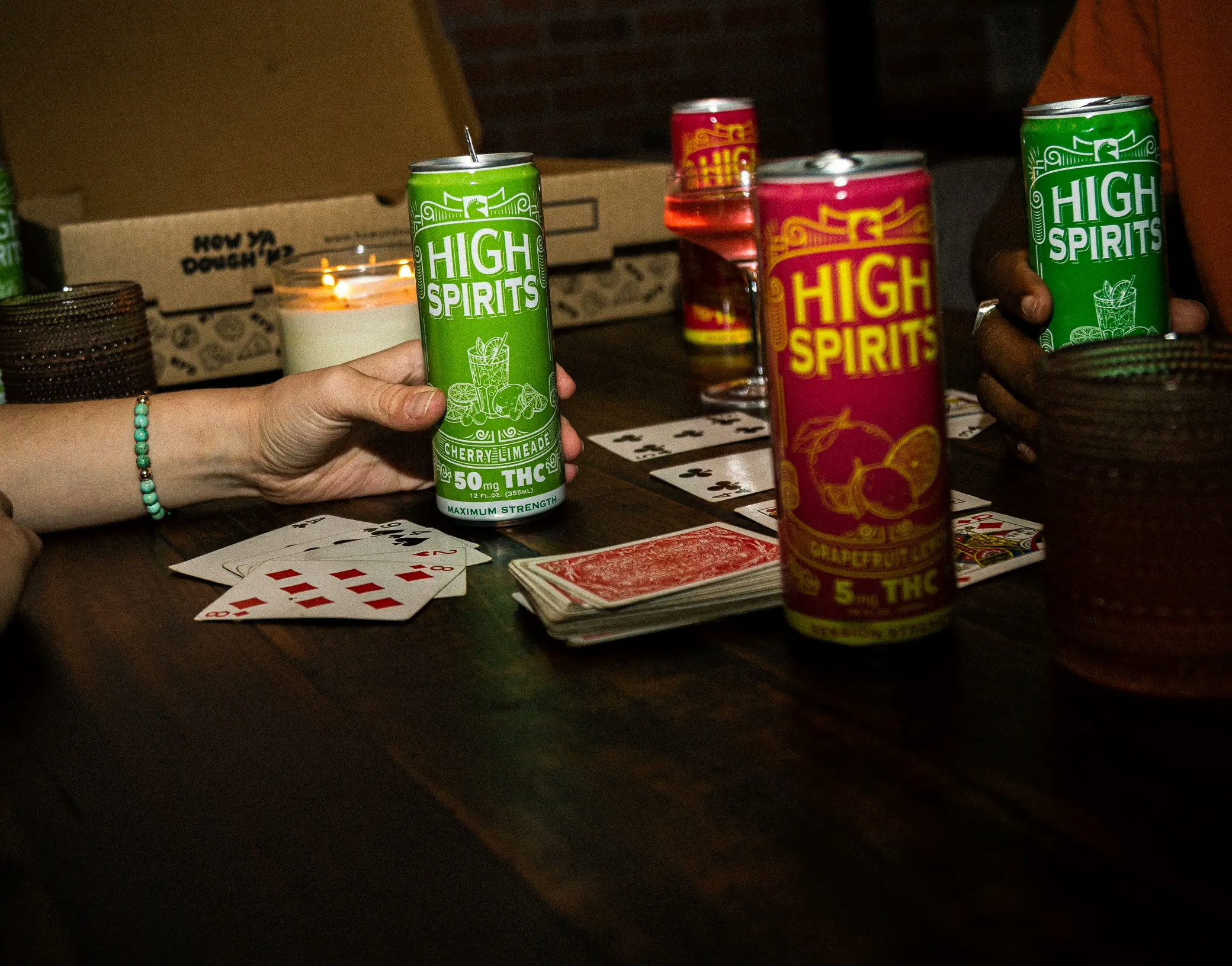
The capsule beside a morning coffee, the tea on a desk at 3 p.m., the roller in a gym bag. Routine scenes show the buyer when and where the product fits their day. I build each scene around one moment and one prop set, because a counter crowded with wellness cues reads as a stock image.
Ingredients and texture
Powder swirling into water, a split softgel, raw botanicals next to the finished product. These images explain what is inside without a paragraph of copy. They also have to be true: photograph the ingredients on your label, in forms a customer would recognize.
People
The founder, the formulator, the practitioner or coach who delivers the service. Service brands such as coaching programs, clinics and apps lean on this group, since the person is the product. A portrait in the real workspace beats a borrowed white coat.
Where do wellness brands use lifestyle and product photos?
Each channel uses a different slice of the library. Map images to channels before the shoot so you get the crops you need.
| Channel | Image types | Notes |
|---|---|---|
| Your store’s product page | Packshot, ingredient panel, two routine scenes, texture shot | Lead with the clearest product image |
| Amazon and other marketplaces | White-background main image plus secondary lifestyle images | Each marketplace sets its own main-image rules, so check the current spec |
| One wide routine scene per campaign, founder portrait for welcome flows | Horizontal with room for a headline | |
| Paid social | Tight vertical routine shots, hands and product | Review claims and platform ad policy before launch |
| Retail sell sheets and trade shows | Range shot, hero product, one lifestyle image | High-resolution files for print |
| Practitioner or service site | Portraits, session in progress, the space | Releases for anyone shown as a client |
For the difference in cost and use between the first two image types, see lifestyle vs. studio product photography. If Amazon is your main channel, my Amazon product photography guide covers its image slots.
Can a wellness photo make a health claim?
Yes. The FTC looks at the net impression of an ad, and that includes the pictures. You are responsible for claims your images imply, even if the caption says nothing.
The FTC’s Health Products Compliance Guidance, published in December 2022, gives examples. A weight-loss brochure showing doctors in lab coats and microscopes implies clinical proof. A supplement with a cold-related name and photos of people sneezing implies it prevents colds. An ointment ad with a woman on a walker in one frame and dancing in the next implies it treats arthritis symptoms. In each case the marketer needs competent and reliable scientific evidence for the implied claim.
That guidance shapes how I plan wellness brand photography with a client:
- Props. Stethoscopes, lab coats and clipboards come off the list unless a licensed professional is in the frame for a reason you can document.
- Models. A fit 25-year-old holding a joint supplement tells a story about results. Cast people who match your real customer.
- Transformations. The Endorsement Guides at 16 CFR 255.2 treat before-and-after pictures as a claim about typical results, and a “results not typical” line does not cure it.
- Testimonials. A quote beside a face has to come from that person’s real experience. The FTC’s Consumer Reviews and Testimonials Rule, in effect since October 2024, bans fake testimonials.
- Paid relationships. Creators and ambassadors who receive money or free product should disclose it at the start of a post, per the FTC’s Endorsement Guides FAQ.
Cannabis and CBD products face extra limits on top of these, and I plan shoots for brands like Herbal Profiles around them. My cannabis photography page covers that side. This section is general information. Run your claims and your final image selects past your own attorney or regulatory adviser.
How does a wellness brand photography shoot run?
A wellness shoot runs in six steps. The claims review in step two is the one brands skip.
- Brief. You send the SKU list, your channels, your brand guidelines and the claims you make on the label and site.
- Claims check. You mark which claims you can support. I build scenes and props around those and leave out the rest.
- Shot list. I write a list with counts: packshots per SKU, routine scenes, ingredient shots, portraits.
- Casting and location. We choose models who match your customer and a home, studio or gym that suits the routine.
- Shoot. Packshots first while labels are clean, then ingredients, then scenes with talent.
- Delivery. You receive edited files cropped for each channel, plus the signed releases for your records.
Send two units of each SKU. Capsule bottles scuff and tincture boxes dent in transit, and a second unit costs less than retouching.
Wellness brand shot list
Use this list as a base and adjust the counts to your range.
| Brand type | Product shots | Lifestyle and people shots |
|---|---|---|
| Supplements and vitamins | Front, back panel, range, capsule or powder close-up | Morning routine, gym bag, kitchen counter with one glass of water |
| Tea, tonics and functional drinks | Packshot, pour, steeped cup, ingredients | Desk break, evening wind-down, shared table |
| Skincare and body care | Packshot, texture swatch, dropper or pump detail | Bathroom shelf, application on hands or shoulders, travel bag |
| CBD and hemp wellness | Packshot, each label panel, range | Routine scenes with adult models and no medical cues |
| Coaching, clinics and apps | Screens or materials in use | Practitioner portrait, session in progress, client with release |
| Devices and recovery tools | Product, scale shot, controls close-up | In use at home, in a gym, after a workout |
Do you need model releases for wellness lifestyle photos?
Yes. Each identifiable person in a marketing image should sign a release that names the uses, and wellness brands should get it in writing.
Florida Statute 540.08 bars using a person’s photograph or likeness for a commercial or advertising purpose without consent, and other states have similar laws. Health products add a wrinkle. A person pictured beside a sleep aid or a digestive supplement may object to the association later, so the release should name the product category.
Three groups appear in wellness shoots:
- Hired models. Agree the fee, the channels and the length of use in writing before the shoot.
- Employees and founders. Sign a release that covers use after they leave the company.
- Real customers. Get the release and keep a record of their experience with the product, since their image works as a testimonial.
How much does wellness brand photography cost?
Product images price per shot and lifestyle images price per shot or per day. My published rates: white-background packshots run $90 per image (10-image minimum), and lifestyle or styled images run $400 per image. A half day runs from $1,500 and a full day from $2,800. Rush delivery under 72 hours adds 25–50%.
The spread inside each range comes from a short list:
- SKU count and surface. Glass droppers and foil pouches take longer to light than a matte carton.
- Styling. A built bathroom set with props costs more than a product on a plain surface.
- Talent and location. Models and a rented home add fees outside the photography rate.
- Usage. Paid advertising and retail packaging use cost more than organic social.
My product photography pricing page lays out the tiers. A brand with five SKUs or fewer and no ad budget can start with packshots alone and shoot phone content for social until sales justify a lifestyle day.
Frequently asked questions
What is wellness brand photography?
Wellness brand photography is commercial imagery for health-adjacent products and services such as supplements, teas, skincare, CBD, recovery tools and coaching. It combines white-background product shots with lifestyle scenes that show the product in a daily routine, plus portraits of the people behind the brand, all planned around supportable claims.
Can I use stock photos for my wellness brand?
You can for background and mood images, such as a beach at sunrise or a yoga mat. Stock fails for anything showing your product, your team or your customers. A stock model shown next to a testimonial misleads buyers about who used the product, and the FTC bans fake testimonials under its 2024 reviews rule.
Are before-and-after photos allowed in wellness marketing?
Yes, if they are truthful and you can support the impression they create. The FTC treats a before-and-after pair as a claim about typical results and, for health products, expects scientific evidence behind it. A small “results not typical” disclaimer does not fix an unsupported image. Get legal review first.
How many images does a wellness product launch need?
For one product, plan six to eight: a front packshot, the back or ingredient panel, a texture or ingredient shot, a scale shot and two or three routine scenes. A range launch adds a group shot plus one packshot set per SKU. That fills a product page and a first month of social.
Should models in wellness photos be real customers?
They do not have to be, as long as you do not present a model as a customer or attach a testimonial to them. Cast people who resemble your buyers in age and build. If you feature real customers, keep a signed release and a record of their experience with the product.
Send me your SKU list and your claims
Email your SKU count, your sales channels, the claims on your label and site, and a link to two brands whose imagery you admire. I will reply with a shot list, a talent and location plan, and a quote. Send your wellness brand’s SKU list to Lars Miller Media.