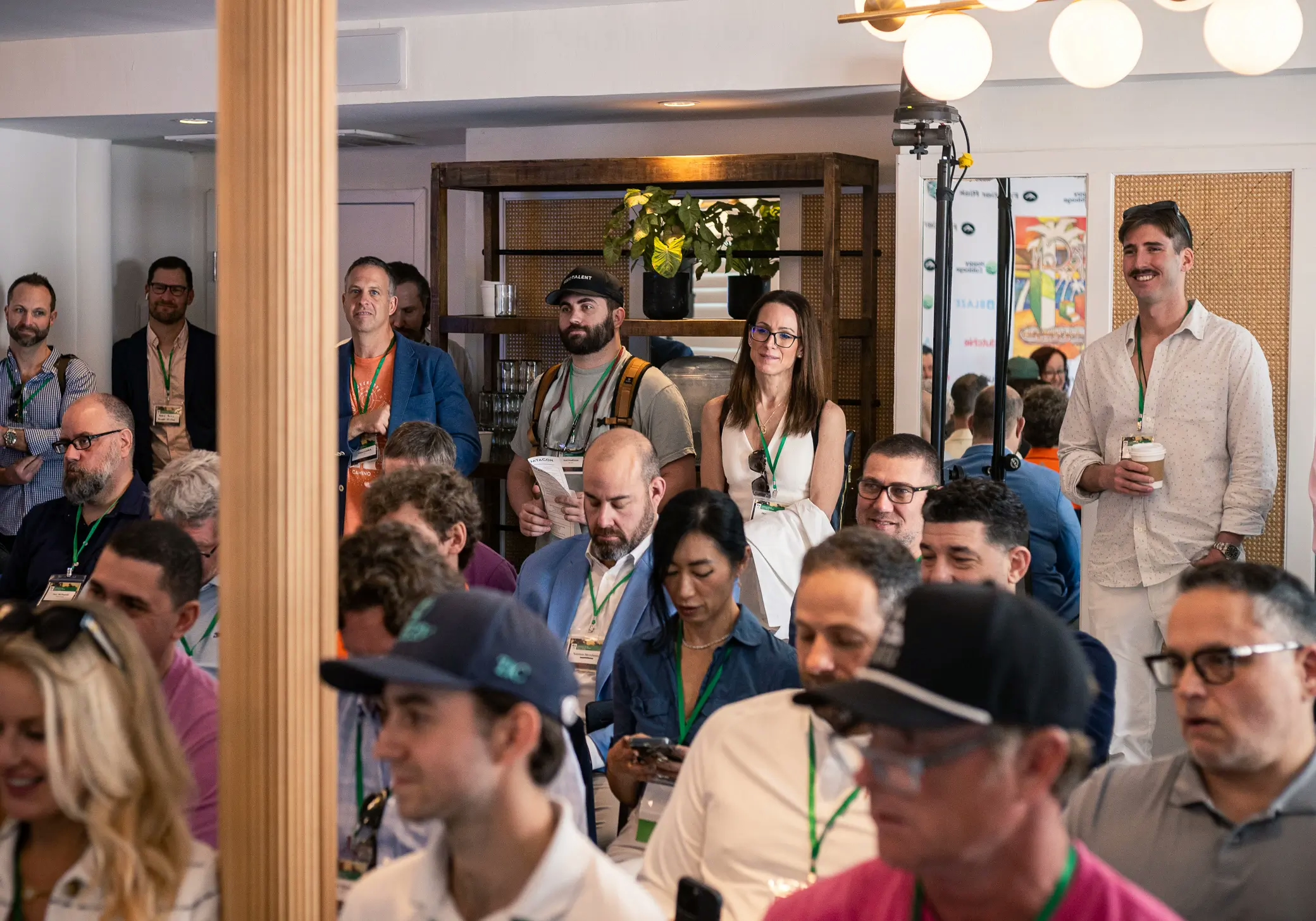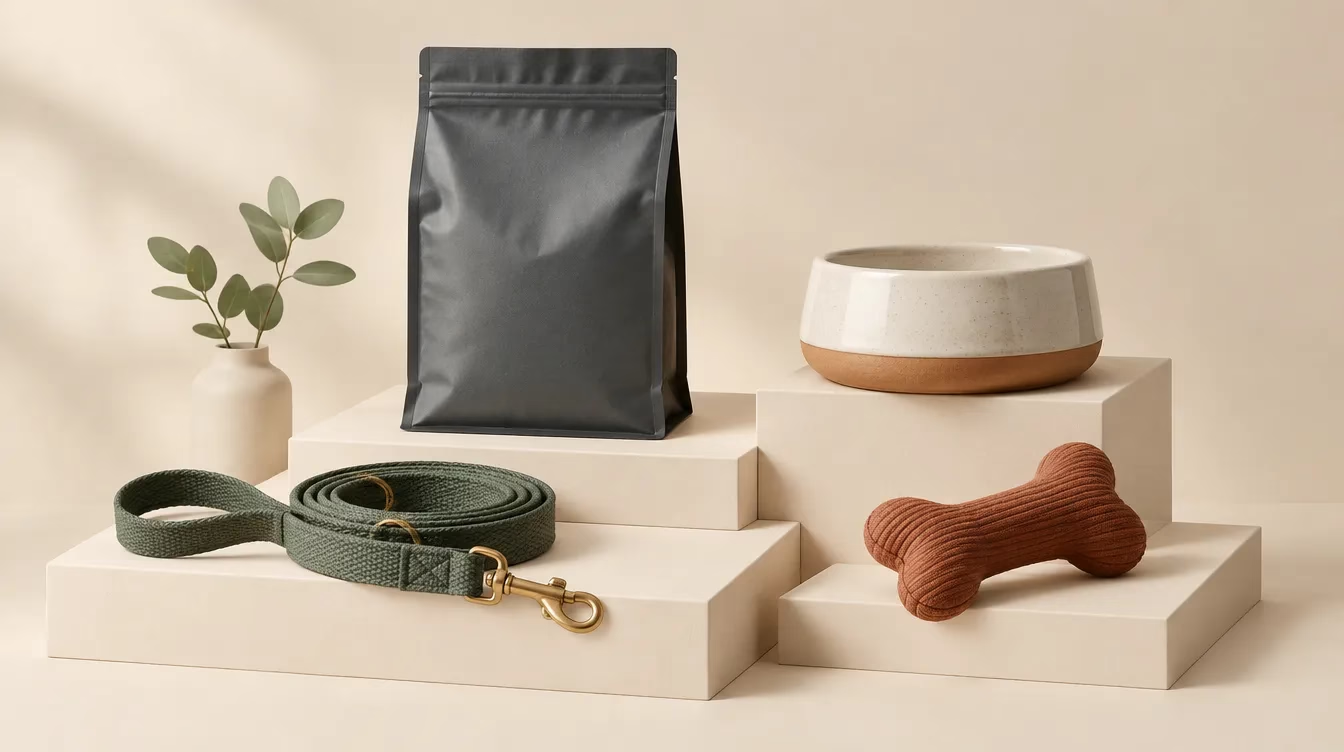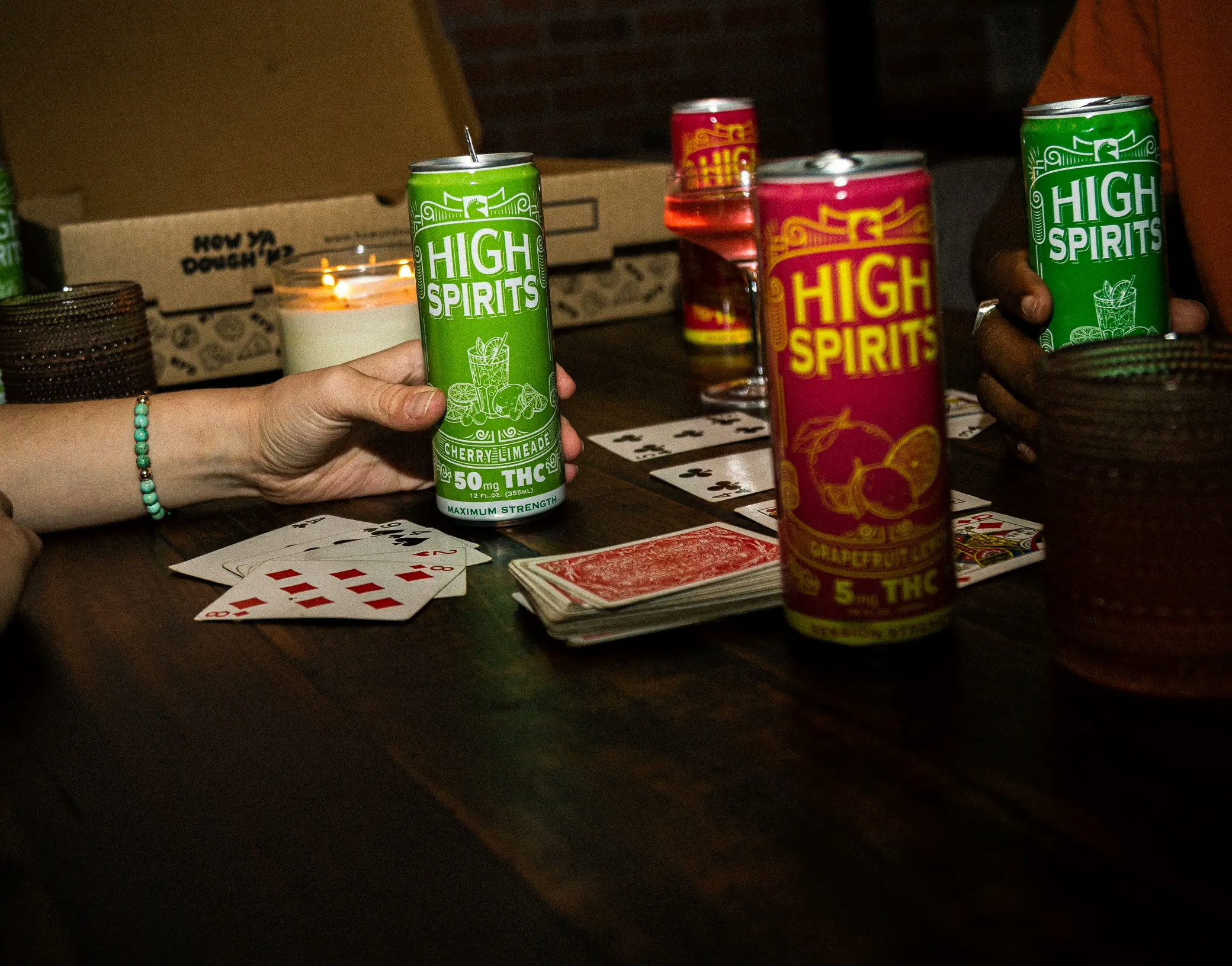
Authentic brand photography shows your real people, your real location and the product as the customer will receive it, with careful light and restrained retouching. Surveys and at least one controlled experiment suggest buyers trust that kind of image more on social channels. Polished studio work still wins on marketplaces and product pages.
Key takeaways
- Authentic means accurate and unstaged. A photographer still controls the light, the lens and the moment.
- In a 2018 Instagram experiment, snapshot-style photos produced higher brand attitudes than studio-style photos of the same fashion brand.
- Polish pays where buyers inspect details. A study of 7,423 Airbnb listings found 8.98% higher occupancy with professional photos.
- The FTC reads pictures as part of an ad’s claims. A photo that misleads a buyer about the product can make the ad deceptive.
What is authentic brand photography?
Authentic brand photography is commercial photography that a customer would call a fair picture of your business after buying from you. I hold an image to three tests before I call it authentic.
- Real subject. The people work for you or buy from you, and the place is yours.
- True product. Color, size, portion and contents match what ships or what the server brings to the table.
- Restrained retouching. I remove dust, stray hairs and a scuffed label. I leave shape, texture and scale alone.
A natural image still takes craft. A candid frame of your baker shaping dough still needs clean window light, a sharp focus point and a background without a mop bucket in it. Perfection, as I use the word here, means the opposite habit: hired models posing as staff, a set built to look like an office you do not have, skin and product retouched until both look like plastic.
What does the evidence say about authentic brand photography?
The best evidence I found is an experiment, and it supports natural imagery on social media. Surveys point the same way, though companies with something to sell ran most of them, so I list each source with its limits.
The Instagram experiment
In a 2018 experiment published in Computers in Human Behavior, researchers Jonas Colliander and Ben Marder had participants follow the Instagram account of a fashion brand for one week. One group saw photos in a snapshot style, with everyday situations that looked as if an average consumer could have taken them. The other saw traditional studio photos. The snapshot group reported higher brand attitudes and stronger intentions to recommend the account. The authors traced the effect to people liking the images more and rating the source as more credible.
One study on one fashion brand does not settle the question for a law firm or a bottled drink. It does show a mechanism: followers gave more credibility to a brand whose pictures looked like their own lives.
The surveys
Stackla’s 2021 consumer survey, conducted by Infosurv with 2,042 consumers in the U.S., UK and Australia, reported that 83% of respondents felt retailers need to offer more authentic shopping experiences. In the same survey, 72% said photos and videos from real customers are the content they most want to see, and 10% said influencer content resonates as authentic.
Read those numbers with two cautions. Stackla sold software for collecting customer content, and the sample was limited to people who use social media weekly and had shopped online in the previous three months. Older “authenticity” percentages from the same company circulate on marketing blogs without a link to the original report or its sample, so I have left them out.
| Source | Method | Finding | Limit |
|---|---|---|---|
| Colliander and Marder, 2018 | Experiment. Participants followed a fashion brand on Instagram for one week. | Snapshot-style photos beat studio-style photos on brand attitude and intent to recommend. | One brand, one category, one platform. |
| Stackla, 2021 | Survey of 2,042 consumers in three countries. | 83% want more authentic shopping experiences. 72% most want to see content from real customers. | Published by a vendor. Measures stated preferences, with no purchase data. |
| Zhang and co-authors, 2022 | Analysis of 7,423 Airbnb properties over 16 months. | Listings with photos by Airbnb’s photographers had 8.98% higher occupancy than those with host photos. | Rental listings. Says little about social feeds. |
Where does polished photography still win?
Polish wins wherever a buyer studies the image to decide what they will get. A 2022 study in Management Science compared Airbnb listings before and after hosts received “verified” photos shot by Airbnb’s photographers. Across 7,423 properties and 16 months, listings with the professional images had 8.98% higher occupancy than listings with host-taken photos. The authors also found that image attributes such as composition and color tracked with demand.
The Airbnb result and the Instagram experiment point the same way. Airbnb’s photographers shot the real room with better technique, and guests rewarded an accurate picture. On a listing, accuracy takes skill: even light, straight lines, correct color.
| Where the image runs | Style that fits | Reason |
|---|---|---|
| Marketplace main image | Clean packshot on white | Platform rules. Amazon’s seller guidance calls for a pure white background with the product filling 85% or more of the frame. |
| Product page gallery | Polished detail shots plus one or two in-use scenes | Shoppers zoom in on texture, color and scale before they pay. |
| Social feed and stories | Natural, less staged | Heavy staging reads as advertising, and the 2018 experiment favored the snapshot look. |
| About and team pages | Real staff in the real workplace | Visitors check whether actual people stand behind the offer. |
| Google Business Profile | Accurate photos of the place | Google’s photo guidelines ask for images with no significant alterations or excessive filters. |
| Print, packaging and billboards | High-resolution studio work | Large formats expose noise, soft focus and color shifts. |
My guides to Amazon product photography and Google Business Profile photos cover those two sets of rules. For the trade-off on a product page, see lifestyle versus studio product photography.
Can a brand photo be too perfect in the eyes of the FTC?
Yes, if the perfection misleads. The FTC’s advertising guide for small business explains that an ad is deceptive when it contains a statement, or leaves out information, that is likely to mislead a reasonable consumer and that matters to the purchase decision. The agency looks at the ad in context, including words, phrases and pictures, and it counts implied claims as well as express ones.
A photo makes implied claims. A burger styled at twice its served size implies a portion. A product pictured with accessories you sell as extras implies they come in the box. A retouched “after” image implies a result. Cleaning dust off a bottle is housekeeping. Changing what the buyer believes they will receive is where the risk starts.
AI-generated images
The deception test above looks at what a picture leads a reasonable buyer to believe. It does not ask which tool produced the picture. An AI-generated image of a product that does not match the real item raises the same problem as a misleading photograph. On people, the FTC has gone further in one area: its final rule on fake reviews and testimonials, announced in August 2024, prohibits reviews and testimonials that misrepresent that they come from someone who does not exist, and it names AI-generated fake reviews. A generated “customer” face beside an invented quote falls inside that description.
This section is general information about published FTC guidance. Ask your own attorney or compliance officer before you run claims, composites or generated images in advertising.
How do you plan a shoot that looks natural?
Plan the conditions and leave the moments alone. I prepare an authentic shoot with the same care as a studio day: we fix the cast, the schedule and the shot list before I arrive.
- Cast real people. Use staff and, with signed releases, customers. Tell them the date and what to wear a week ahead.
- Shoot during working hours. A kitchen during prep or a warehouse during packing gives you action no set can copy.
- Give tasks. I ask people to do their job and I photograph that. “Pour the next order” works better than “smile and hold the cup.”
- Photograph the product as shipped. Pull stock from the shelf, including the standard packaging and portion.
- Put retouching limits in writing. List what the editor may remove and what stays.
- Ask for the in-between frames. The laugh after the posed shot often suits a social post better than the hero image.
A written list keeps the day on track without scripting it. My brand photoshoot shot list shows how to plan scenes by location and person.
When is a phone photo the right call?
Use a phone for content that lives a day or a week: stories, behind-the-scenes clips, a new shipment on the counter. Customer photos belong here too. In the Stackla survey, 58% of consumers said they would grant a brand permission to use their image or video, so ask before you repost.
Hire a photographer for images that carry the business for a year, such as the homepage, the team page, product listings and paid ads. My published rates for lifestyle and styled product images run $400 per image, and a half-day shoot runs from $1,500 depending on setups, styling and usage. The commercial photography rates page explains what moves a quote.
Frequently asked questions
What is authentic brand photography?
Authentic brand photography shows real employees, real customers, the actual location and the product as sold, with honest color and limited retouching. A professional still controls light, focus and composition. The aim is a picture a customer would call accurate after buying from you, in place of a staged scene with hired models.
Do authentic photos perform better than polished ones?
It depends on the channel. A 2018 experiment found snapshot-style Instagram photos produced higher brand attitudes than studio photos for a fashion brand. A 2022 study of Airbnb listings found professional photos lifted occupancy by 8.98%. Natural images suit social feeds, and polished images suit listings where buyers inspect details.
Is it misleading to retouch product photos?
Removing dust, scratches and stray reflections is standard practice. Retouching becomes a problem when it changes what a buyer expects to receive, such as color, size, quantity or results. The FTC treats pictures as part of an ad’s claims and looks at how a reasonable consumer would read them. Ask your attorney about specific cases.
Can I use AI-generated images of my product?
You can, but the image must match the real product. The FTC’s deception standard looks at what a picture leads a reasonable buyer to believe, whatever tool made it. The agency’s 2024 rule also bars AI-generated fake reviews and testimonials. Get legal advice before using generated images of people or results in ads.
Should I use customer photos or hire a photographer?
Use both. Customer photos work as social proof on product pages and social posts, and you need the customer’s permission to reuse them. A photographer supplies the images you control: accurate product shots, your team, your location and ad creative. Marketplaces also require main images that customer photos cannot meet.
Book a shoot built around your real business
Tell me where the images will run, who on your team is willing to be photographed, and which products or services matter most this year. Add your address and two or three working days when the place is busy. I will reply with a shot plan that mixes natural scenes and clean product images, plus a quote for brand photography at your South Florida location. Send your channels, team list and dates through the contact page.