Law firm photography covers six kinds of image: attorney headshots, executive portraits, team photos, office shots, working images of attorneys in conference, and event coverage. A firm of 10 to 30 people can shoot most of it in one day on site, then use the files on the website, LinkedIn, directory profiles, proposals and recruiting pages.
Key takeaways
- Headshots carry the most weight. One photo ends up on the bio page, LinkedIn, directory profiles, speaker pages and pitch decks.
- One setup for the whole firm (same background, same light, same crop) makes 25 attorneys look like one firm. Record the setup so new hires can match it later.
- ABA Model Rule 7.1 bars false or misleading communications about a lawyer’s services. The Florida Bar has its own advertising rules, and they reach images of people who appear to work at the firm and don’t.
- Budget headshots by headcount and events by the hour. Ask for both in one quote.
What law firm photography includes
A complete image library for a firm has six parts. You don’t need all of them on day one. Most firms start with headshots and add the rest during a website rebuild.
| Image type | What it shows | Where you use it |
|---|---|---|
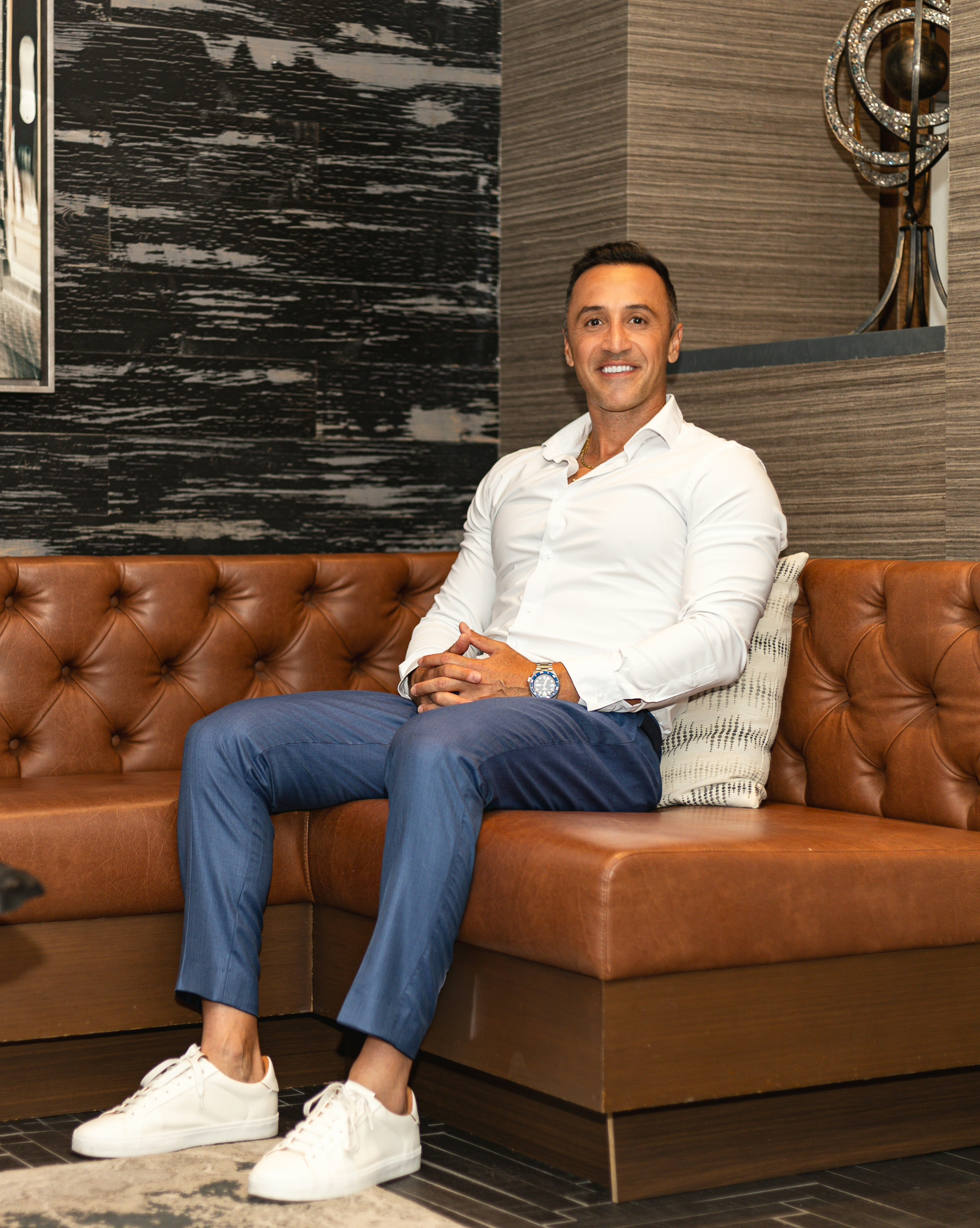
| Attorney and staff headshots | Head-and-shoulders portraits on one consistent background and light | Bio pages, LinkedIn, directory profiles, speaker bios, email signatures |
| Executive portraits | Wider portraits of partners in the office, with room in the frame for a headline | Home page, practice pages, press and bylined articles |
| Team and practice-group photos | Groups of 3 to 30, arranged by practice or by office | About page, recruiting pages, new-partner announcements |
| Office and environment | Reception, conference rooms, exterior, signage, small details | Contact page, Google Business Profile, page headers |
| Working images | Attorneys in conference, at a whiteboard, walking a hallway | Practice-area pages, proposals, social posts |
| Events | Seminars, CLE sessions, client receptions, community sponsorships | News posts, LinkedIn, sponsor recaps |
Headshots and executive portraits are different jobs. A headshot is tight, repeatable and quick. A portrait takes longer per person and shows the office behind the partner. My guide to corporate headshots covers backgrounds and crops, and the executive portraits page shows the wider style.
Where firms use the photos
A prospective client who gets your name from a friend will still look you up. Clio’s 2019 Legal Trends Report, a survey of 2,000 consumers, found that 57% of people looking for a lawyer searched on their own and 59% asked for a referral, with 16% doing both. Your bio photo is part of that check, so plan the shoot around the places the photo will appear.
- Website bio pages. Ask for a vertical crop for the bio and a square crop for the attorney grid, both from the same frame.
- LinkedIn. The profile photo displays as a small circle, so the face has to fill the frame. My LinkedIn headshot tips cover the crop.
- Directory profiles. Avvo, Martindale-Hubbell, bar association listings and ranking sites each take a profile photo. Use the same headshot on all of them so a client recognizes you from one site to the next.
- Google Business Profile. Exterior, reception and team images help a new client find the door. See the Google Business Profile photo guide for sizes.
- Proposals and RFP responses. Team pages in a pitch need high-resolution files, so ask for print-size versions along with the web set.
- Recruiting. Working images and event photos show a candidate the office and the people, which a headshot grid can’t do.
What the advertising rules say about law firm photography
Photos on a firm website are part of the firm’s advertising, so the ethics rules on advertising apply to them. ABA Model Rule 7.1 says a lawyer shall not make a false or misleading communication about the lawyer or the lawyer’s services, and it treats a communication as misleading if it misrepresents a material fact or leaves out a fact needed to keep the whole from misleading. Each state adopts its own version.
Florida’s rules go further into detail. The Florida Bar’s quick reference checklist for websites and social media pages says a firm doesn’t have to file its website for review, though the site still has to follow the substantive advertising rules. The same checklist asks if an ad shows the image of a person who appears to be a member or employee of the firm and isn’t one, without a clear and conspicuous disclaimer. The Bar’s Handbook on Lawyer Advertising and Solicitation also covers actor portrayals, dramatizations and stock photographs tied to a client story.
On a shoot, those rules turn into four habits:
- Photograph your own attorneys and staff. A stock photo of a team that isn’t yours can create the impression the Bar’s checklist describes.
- Tell your marketing lead if anyone from outside the firm will sit in as a “client” in a staged meeting, so they can check the disclaimer requirements before the image goes live.
- Keep real files, monitors and whiteboards with client names out of the frame. I ask for clear desks and dark screens before the working shots start.
- Caption staged scenes as what they are. Don’t attach a staged conference-room photo to a description of a real matter.
This section is general information and isn’t legal advice. Advertising rules differ by state and the Bar revises them, so confirm your plans with the Florida Bar’s Ethics and Advertising Department or your own ethics counsel before you publish.
How a law firm shoot day runs
Build the schedule so nobody loses more than 15 minutes of billable time, and circulate it before the day.
- Two weeks out: headcount and shot list. Send me the number of people, the list of group photos you want and the rooms you’d like to show. I send back a schedule and a wardrobe guide.
- One week out: rooms. Send phone photos of the conference rooms and reception. The headshot station needs a room with about 10 by 12 feet of clear floor and a door that closes.
- Morning: headshots. People come in scheduled blocks, about 10 minutes each. Each person sees their frames on a screen and picks a favorite before going back to work, which cuts reshoots.
- Late morning: partners. Partners who need an executive portrait get a longer slot in their office or a corner of the building with good light.
- Midday: groups. Team and practice-group photos happen while most people are in the office, and before lunch wrinkles a jacket.
- Afternoon: office and working images. I photograph the empty rooms first, then bring in two or three attorneys for the conference-table and hallway scenes.
- After the shoot. You get a proof gallery, mark selections, and I retouch and deliver each final in web, square and print sizes.
Litigators get pulled into hearings, so build in a second, shorter session two to four weeks later for anyone who missed the day. Matching the first session takes a written record of the light and background, so I write one up at the end of the first day.
How to prepare attorneys for headshots
- Wear court clothes. A jacket that fits across the shoulders, solid colors, no small checks or tight stripes. Bring a second shirt or tie.
- Set one dress standard. If half the firm wears ties and half doesn’t, the bio grid looks like two firms. Decide before the day and put it in the invite.
- Bring your glasses. If you wear them with clients, wear them in the photo. I angle the lights to keep glare off the lenses.
- Book haircuts a week ahead, and skip the day-before cut.
- Send the schedule twice. Once when you set it and again the afternoon before, with the room number.
How to budget for law firm photography
Three things set the price: how many people, how many hours, and how many finished images. Ask for one quote that covers all three so you can compare photographers on the same scope.
| Line item | How photographers price it | What moves the number |
|---|---|---|
| Headshots | Per person, or a day rate with a set number of people | Headcount, retouching level, number of offices. See what professional headshots cost. |
| Executive portraits, office and working images | Half-day or full-day commercial rate | Number of setups and finished images, and how you plan to use them |
| Event coverage | By the hour. My South Florida rate is $400 per hour with a 2-hour minimum, $1,500 for a half day (4 hours) and $2,800 for a full day (8 hours) | Length of the event, turnaround, and a second shooter at about $110–$220 per hour |
| Make-up session for missed people | Short return visit, priced per person or by the hour | How many people missed the first day |
Check the usage terms in each quote. A firm needs the right to use its images on the website, social media, directories, proposals and press without paying again, and a departing attorney will want to know if the headshot can travel with them. Put both answers in the agreement.
A full shoot day is the wrong purchase for some firms. A solo practitioner who needs one headshot should book a single studio session. A firm on a tight budget should spend it on headshots and skip the staged working images for a year, since the headshots appear in the most places.
Frequently asked questions
How much does law firm photography cost?
Photographers price firm headshots per person or by day rate, and the total depends on headcount, the number of offices and the level of retouching. Office and working images run on a half-day or full-day commercial rate. Send your headcount and office address and I’ll quote the whole day as one number.
How long does a law firm photo shoot take?
Plan about 10 minutes per person for headshots, plus an hour of setup. A firm of 20 can finish headshots in a morning, then use the afternoon for group photos, office images and working shots. Larger firms split the schedule across two days or shoot one office at a time.
What should attorneys wear for headshots?
Wear the clothes you’d wear to meet a new client or appear in court: a jacket that fits, solid colors, and no small checks or tight stripes, which shimmer on screens. Bring a second shirt or tie. A firm that wants a relaxed look should set one standard for the whole team.
Can a law firm use stock photos on its website?
Stock photos of buildings, skylines and objects are common on firm websites. Stock photos of people cause more trouble, because a visitor may assume they are your lawyers or clients. The Florida Bar’s advertising rules address images of people who appear to work at a firm and don’t, so check with the Bar first.
How often should a law firm update its headshots?
Replace a headshot once the person no longer looks like the photo, which for most people means every two to three years. Firms also reshoot after a rebrand or a merger. Between full shoot days, book new hires into short sessions with the same background and lighting so the bio pages stay consistent.
Plan your firm’s shoot day
I work on location across Delray Beach, Boca Raton, Fort Lauderdale, West Palm Beach and Miami, and you can see the headshot styles on my headshot photography page. To get a schedule and a quote, send me your headcount, office address and target date, along with the list of group photos and rooms you want covered. I’ll reply with a draft schedule you can circulate to the partners.